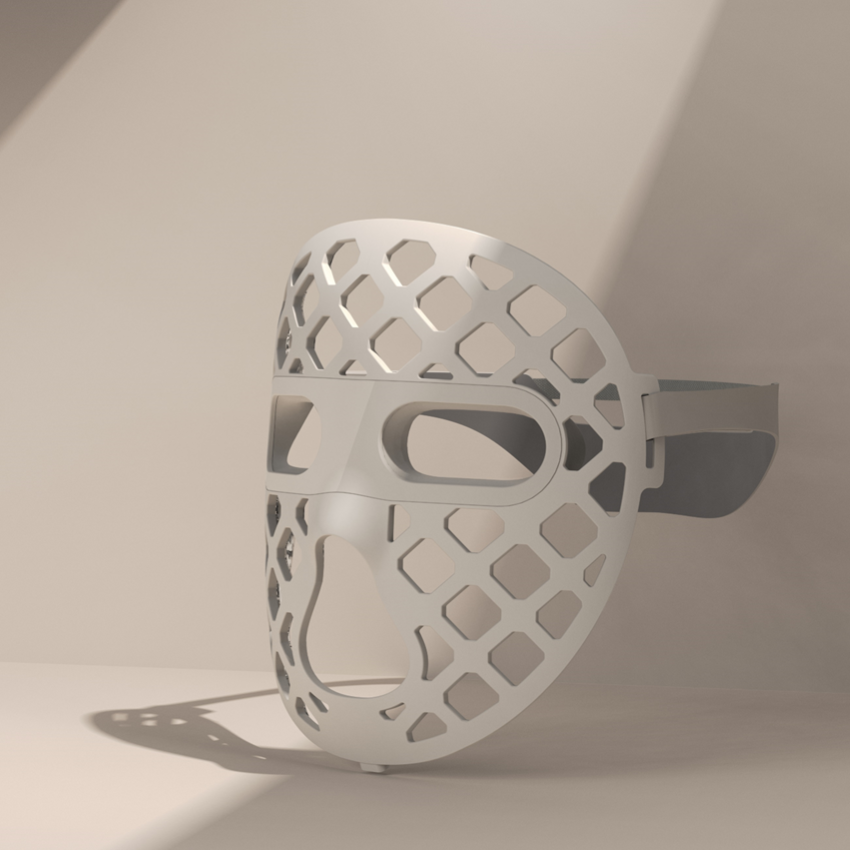
Does Red Light Therapy Increase Vitamin D? What Science Says
Does red light therapy increase vitamin D? This is a common question as red light therapy becomes increasingly popular in modern wellness, skincare, recovery, and biohacking routines. Although both sunlight and red light are forms of light exposure, they interact with the body in very different ways.
The short answer is no. Red light therapy does not directly trigger vitamin D production in the skin because vitamin D synthesis depends on ultraviolet B (UVB) radiation. Red and near-infrared wavelengths operate through different biological mechanisms and are instead being studied for their potential role in photobiomodulation, skin health, cellular function, and recovery.
Understanding this difference can help consumers make better choices while also helping wellness brands communicate the benefits of light therapy more responsibly.
How Does the Body Produce Vitamin D?
Vitamin D is a fat-soluble nutrient that plays an important role in calcium metabolism, bone health, immune function, and overall physiological health.
The body can produce vitamin D when UVB radiation reaches the skin. UVB photons interact with a compound called 7-dehydrocholesterol, initiating a process that eventually produces vitamin D3. The vitamin is then metabolized through the liver and kidneys into biologically active forms.
However, vitamin D production is not identical for everyone.
Geographic location, season, time of day, skin pigmentation, clothing, sunscreen use, age, and lifestyle can all influence how much UVB reaches the skin.
Therefore, sunlight exposure alone does not guarantee adequate vitamin D levels. For some people, dietary sources or vitamin D supplements may also be necessary.
Why Doesn’t Red Light Therapy Increase Vitamin D?
To understand does red light therapy increase vitamin D, it is important to look at wavelength.
Vitamin D synthesis requires UVB radiation, generally within the 280–315 nm range. By contrast, red light therapy typically uses visible red wavelengths and, depending on the device, near-infrared wavelengths.
Because these wavelengths are fundamentally different, red light therapy does not activate the same chemical pathway responsible for vitamin D synthesis.
This means that a red light therapy device for home use should not be promoted as a direct source of vitamin D.
Likewise, red light therapy should not be presented as a substitute for vitamin D supplements when supplementation has been recommended by a healthcare professional.
Instead, red light therapy has its own area of research and application.

What Does Red Light Therapy Actually Do?
Red light therapy is often referred to as photobiomodulation, or PBM.
Rather than relying on UV radiation, photobiomodulation uses selected red and near-infrared wavelengths to interact with biological tissues. Researchers have investigated its potential effects on mitochondrial activity, cellular signaling, oxidative stress, inflammation, tissue recovery, and skin appearance.
This makes red light therapy for skin health particularly interesting within the beauty and wellness market.
Potential areas of consumer interest include:
- Supporting healthy-looking skin
- Promoting collagen-related processes
- Supporting skin recovery
- Complementing skincare routines
- Supporting general wellness and recovery
- Providing convenient at-home light therapy
However, results depend on factors such as wavelength, irradiance, treatment time, treatment distance, device design, and individual characteristics.
Therefore, consumers should evaluate specific products rather than assuming that every red light device produces identical results.
Can Red Light Therapy Replace Sunlight?
Can red light therapy replace sunlight? No, particularly when the goal is vitamin D production.
Sunlight is a broad-spectrum source of electromagnetic radiation. It contains UV, visible light, and infrared wavelengths, whereas a red light therapy device generally delivers a more targeted range of wavelengths.
UVB exposure from sunlight can initiate vitamin D synthesis.
Red and near-infrared light do not perform this same function.
At the same time, sunlight provides much more than UVB. Natural daylight exposure is part of the body’s environmental light experience and can influence daily routines, sleep-wake patterns, and outdoor activity.
Therefore, red light therapy and sunlight should be viewed as different tools rather than direct replacements for each other.
Red Light Therapy and Sunlight: What’s the Difference?
The differences between sunlight and red light therapy become clearer when their primary characteristics are compared.
| Feature | Red Light Therapy | Sunlight |
|---|---|---|
| UVB | No | Yes |
| Direct vitamin D synthesis | No | Yes |
| Red wavelengths | Selected wavelengths | Naturally present |
| Near-infrared wavelengths | Depending on device | Naturally present |
| Spectrum | Targeted | Broad spectrum |
| Typical wellness interest | Photobiomodulation | Daylight and outdoor exposure |
| UV-related skin risk | No UVB from red-light wavelengths | Excessive UV can damage skin |
This distinction is particularly important when discussing red light therapy vitamin D production.
A red light device can provide selected wavelengths for photobiomodulation, but it should not be described as an artificial replacement for the UVB component of sunlight.
Can Red Light Therapy Support Skin Health?
One of the most widely discussed applications of red light therapy is skincare.
Research into red light therapy for skin health has explored areas such as collagen production, skin appearance, inflammation, and tissue repair.
Photobiomodulation may influence cellular activity and mitochondrial processes. These mechanisms are part of the reason LED-based light therapy has attracted attention from beauty brands, dermatology practices, wellness professionals, and home users.
For consumers, a red light therapy routine may be incorporated alongside other skincare habits.
For brands, this also creates opportunities to develop products around specific use cases, such as facial skincare, body recovery, or general wellness.
Importantly, marketing claims should remain realistic. Red light therapy is not a universal solution for every skin or health concern.
Does Red Light Therapy Protect Skin From UV?
This is an area where careful communication is essential.
Some experimental research has investigated whether red or near-infrared light exposure may influence oxidative stress, inflammation, or other cellular responses associated with environmental stress.
However, these findings do not mean that red light therapy works like sunscreen.
A red light therapy device should not be promoted as an alternative to sunscreen, protective clothing, shade, or other established UV-protection strategies.
Similarly, people should not deliberately increase UV exposure because they have completed a red light therapy session.
If the goal is vitamin D, outdoor exposure should remain sensible and should avoid sunburn and unnecessary UV damage.
How Does Red Light Therapy Relate to Vitamin D?
The relationship between photobiomodulation and vitamin D is best understood by separating their mechanisms.
Vitamin D production depends on UVB exposure.
Photobiomodulation uses non-UV red and near-infrared light.
These two processes are therefore not interchangeable.
Some researchers have proposed that the broader health effects associated with natural sunlight may involve more than vitamin D alone. Sunlight contains multiple wavelengths, and red and near-infrared light are naturally present within the solar spectrum.
However, this does not establish that a commercial red light therapy device can reproduce the complete biological effects of sunlight.
Instead, the current practical approach is to recognize that different wavelengths may serve different purposes.
What Are the Main Sources of Vitamin D?
There are several ways people can obtain vitamin D.
Vitamin D From Sunlight
UVB exposure can initiate vitamin D synthesis in the skin.
However, the amount of vitamin D produced depends on many variables, including latitude, season, skin type, clothing, age, and UV intensity.
More UV exposure is not automatically better.
Excessive exposure and sunburn can cause cumulative skin damage and increase long-term skin cancer risk.
Vitamin D From Food
Foods such as salmon, sardines, herring, egg yolks, liver, and fortified foods can contribute to dietary vitamin D intake.
A balanced diet can therefore be an important component of maintaining adequate nutrient intake.
Vitamin D Supplements
Vitamin D3 supplements are commonly used when dietary intake and natural production are insufficient.
However, supplementation should be based on individual circumstances. People who are concerned about vitamin D deficiency should discuss testing and supplementation with a qualified healthcare professional.
How Can Red Light Therapy Fit Into a Wellness Routine?
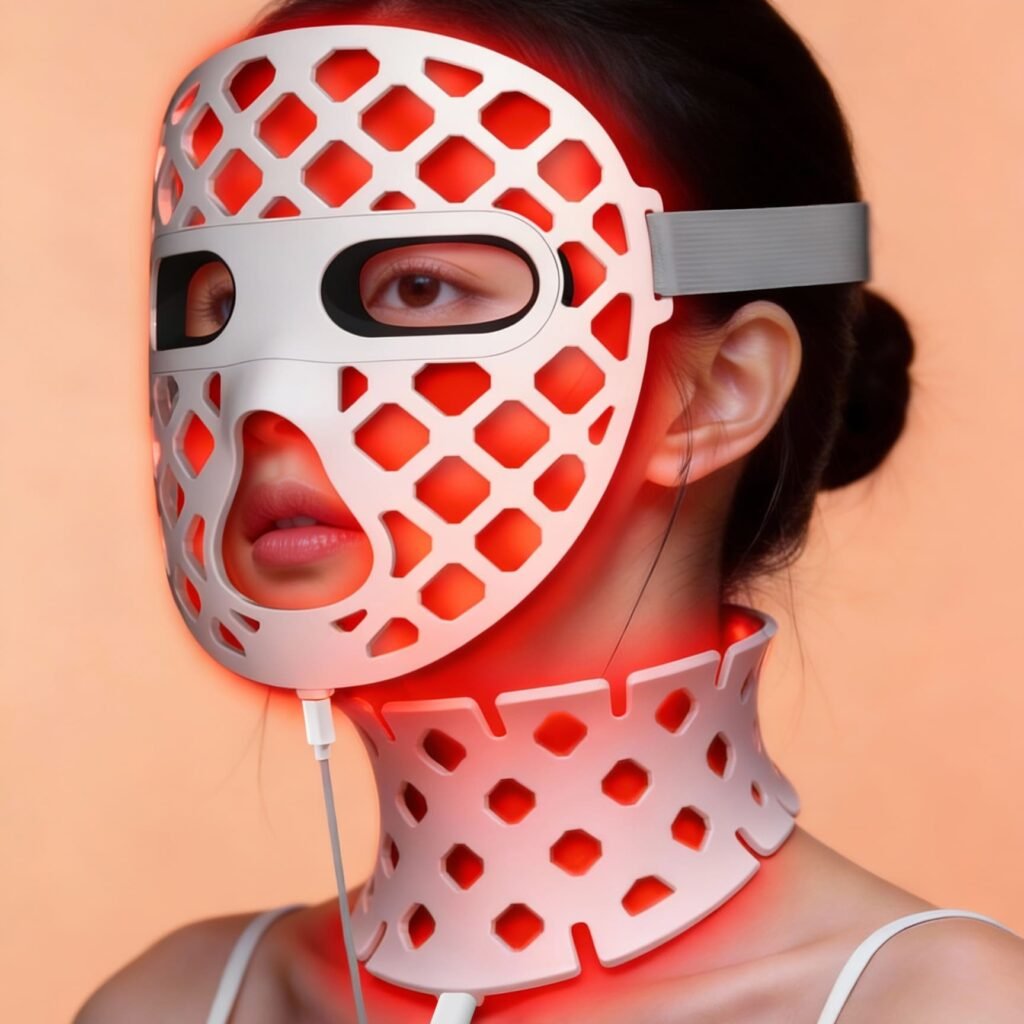
Although red light therapy for vitamin D deficiency is not an appropriate replacement for established vitamin D strategies, red light therapy can still have a place in a broader wellness routine.
A practical approach may include several steps.
1. Understand Your Vitamin D Status
If you are concerned about vitamin D deficiency, discuss appropriate testing with a healthcare professional.
Blood testing can provide more useful information than guessing based solely on sunlight exposure.
2. Maintain a Balanced Diet
Include foods containing vitamin D and other essential nutrients as part of a balanced eating pattern.
3. Practice Sensible Outdoor Habits
Enjoy natural daylight and outdoor activity while avoiding unnecessary or excessive UV exposure.
Sunburn should always be avoided.
4. Add Red Light Therapy Separately
A suitable home red light therapy device can be incorporated into a skincare, recovery, or wellness routine according to the manufacturer’s instructions.
5. Adjust Your Routine Over Time
Treatment frequency, duration, and device selection should reflect the intended purpose and the manufacturer’s recommendations.
This approach avoids confusing red light with UVB while still recognizing the growing interest in photobiomodulation.
What Should You Look for in a Red Light Therapy Device?
As the market continues to expand, consumers and brands have more products to choose from.
However, device quality can vary.
When evaluating a red light therapy wellness device, several factors deserve attention.
Evidence-Based Wavelength Selection
Red and near-infrared wavelengths have been widely investigated within photobiomodulation research.
Depending on the intended application, manufacturers may use different wavelength combinations.
The important point is that wavelength selection should be connected to the intended use rather than simply adding more wavelengths for marketing purposes.
Consistent Light Output
Consistent irradiance can contribute to a more predictable user experience.
A well-designed device should provide stable and reasonably uniform light output across its intended treatment area.
Clear instructions regarding treatment distance and session duration are also important.
Practical Device Design
A device should be comfortable and convenient enough for regular use.
Depending on the target consumer, this may include:
- Full-body panels
- Desktop devices
- Portable units
- Facial devices
- Modular systems
- Professional wellness equipment
Ergonomics, controls, heat management, and ease of use can all influence long-term customer satisfaction.
Clear Safety Information
Responsible manufacturers should provide clear instructions, precautions, and appropriate usage information.
This is particularly important for light-based products because consumers may otherwise assume that a stronger or longer session is always better.
WINJOY BEAUTY Red Light Therapy OEM and ODM Solutions
The growth of the photobiomodulation and wellness market is creating new opportunities for brands seeking customized light therapy products.
WINJOY BEAUTY develops beauty and wellness technologies for international brands and can support OEM and ODM product development across different stages of the manufacturing process.
For brands exploring red light therapy OEM, product development may include:
- Product concept development
- Industrial design
- Optical design
- LED configuration
- Electronic engineering
- Mechanical engineering
- Mold development
- Prototype production
- Customized branding
- Packaging development
- Manufacturing and quality control
Different markets may also require different testing, documentation, and compliance considerations.
Therefore, choosing an experienced manufacturing partner can be an important part of bringing a reliable red light therapy device to market.
Designing Red Light Therapy Devices for Modern Wellness
A successful red light therapy product is not simply about installing LEDs into a housing.
Instead, effective development requires coordination between optical performance, electronics, thermal management, structural design, usability, and manufacturing quality.
Wavelength and Optical Design
The selected wavelengths should correspond to the intended product application and available research.
For example, red wavelengths around the 630–670 nm range and near-infrared wavelengths around 810–880 nm are frequently discussed within photobiomodulation research.
However, a product should not claim that one wavelength combination is universally superior.
Irradiance and Treatment Control
Users need clear information about how to operate the device.
Treatment distance, session duration, output consistency, and treatment area should be considered together rather than independently.
User Experience
Simple controls can encourage consistent use.
Preset programs, intuitive interfaces, comfortable form factors, and clear instructions can make a significant difference in the overall product experience.
Educational Content
A strong product is supported by accurate educational content.
For example, a brand discussing red light therapy and sunlight should clearly explain the difference between red light and UVB.
This not only helps consumers make informed decisions but also strengthens long-term brand credibility.
Safety, Limitations, and Realistic Expectations
Although interest in photobiomodulation continues to grow, consumers should maintain realistic expectations.
Red light therapy is not a cure-all, and results can vary between individuals and devices.
More importantly, red light therapy should not be used to justify excessive UV exposure.
People should continue to follow established sun-safety practices, including sunscreen use, protective clothing, shade, and avoiding sunburn.
Individuals with photosensitivity, those using photosensitizing medications, or people with specific medical concerns should consult an appropriate healthcare professional before beginning a new light-based routine.
In addition, red light therapy should not be used as a substitute for professional treatment of vitamin D deficiency.
Frequently Asked Questions About Red Light Therapy and Vitamin D
Does Red Light Therapy Increase Vitamin D?
No. Red light therapy does not directly increase vitamin D production because the skin requires UVB radiation to initiate the vitamin D synthesis pathway.
Can Red Light Therapy Replace Sunlight?
No. Red light therapy cannot replace the UVB component of sunlight that contributes to vitamin D production.
However, it can be used as a separate light-based wellness technology for purposes related to photobiomodulation.
Can Red Light Therapy Replace Vitamin D Supplements?
No. People should not replace medically recommended vitamin D supplements with red light therapy.
If you are concerned about vitamin D levels, discuss your diet, supplementation, and testing needs with a healthcare professional.
Is Red Light Therapy Better Than Sunlight?
The two technologies serve different purposes.
Sunlight provides a broad spectrum of light, including UVB, while red light therapy delivers selected wavelengths.
Therefore, it is more accurate to consider their individual applications rather than asking which one is universally better.
Does Red Light Therapy Protect Skin From UV?
Red light therapy should not be considered sunscreen or UV protection.
Users should continue to follow appropriate sun-safety practices when exposed to sunlight.
What Is the Best Red Light Therapy Device for Home Use?
There is no single device that is best for everyone.
The right choice depends on the intended application, treatment area, wavelength configuration, light output, design, safety information, and user preferences.
What Wavelengths Are Used in Red Light Therapy?
Red light therapy products commonly use red wavelengths in ranges such as approximately 630–670 nm, while some devices also include near-infrared wavelengths around 810–880 nm.
The appropriate configuration depends on the intended application and product design.
How Does Photobiomodulation Relate to Vitamin D?
Photobiomodulation and vitamin D production involve different biological pathways.
UVB exposure can initiate vitamin D synthesis, while red and near-infrared light are studied for their potential effects on cellular and tissue processes.
The Bottom Line: Does Red Light Therapy Increase Vitamin D?
So, does red light therapy increase vitamin D?
The answer is no, not directly.
Vitamin D production in the skin requires UVB radiation. Red and near-infrared light used in photobiomodulation operate through different biological pathways and should not be marketed as a replacement for sunlight, vitamin D supplements, or medical treatment for vitamin D deficiency.
At the same time, red light therapy has its own growing area of research and consumer interest, particularly around skin health, recovery, cellular function, and general wellness.
The most practical approach is therefore not to treat red light and sunlight as competing technologies.
Instead:
UVB → Vitamin D synthesis
Red and near-infrared light → Photobiomodulation
Nutrition and supplements → Additional vitamin D support when appropriate
For consumers, the key is to maintain realistic expectations and use light-based products responsibly.
For wellness and beauty brands, the opportunity lies in developing products that combine thoughtful engineering, appropriate wavelengths, reliable manufacturing, and transparent education.
WINJOY BEAUTY supports brands exploring this growing market through customized beauty and wellness product development, including OEM and ODM solutions for innovative LED and light therapy products.
References
- Wacker, M., & Holick, M. F. “Sunlight and health: shifting the focus from vitamin D3 to photobiomodulation by red and near-infrared light.” Photobiomodulation, Photomedicine, and Laser Surgery.
- UK Scientific Advisory Committee on Nutrition. “Ultraviolet Radiation, Vitamin D and Health.”
- Stanford Medicine. “Red light therapy: What the science says.”
- ScienceDirect. Research literature concerning sunlight, vitamin D, and photobiomodulation.