Why Red Light Therapy Devices Are Different From Regular Red Lights
Why “Any Red Light” Doesn’t Work
Red Light Therapy Devices vs Regular Red Light Explained
The topic of red light therapy devices vs regular red light has become increasingly important as red light therapy moves from niche wellness circles into mainstream skincare, recovery, and biohacking.
Many people assume that any red lamp, LED strip, or decorative bulb can deliver the same benefits as a professional device. However, this assumption is incorrect. The reality is that red light therapy devices vs regular red light differ fundamentally in wavelength precision, power output, and biological effectiveness.
In this article, we break down why red light therapy devices vs regular red light are not interchangeable, and what truly determines therapeutic effectiveness.
What Red Light Therapy Actually Is

Red light therapy—also known as photobiomodulation (PBM)—uses specific red and near-infrared wavelengths to stimulate biological processes at the cellular level.
Interest in this field began expanding after NASA experiments observed improved tissue regeneration under controlled LED exposure.
Today, red light therapy is widely used for:
- Skin appearance improvement
- Muscle recovery support
- Joint comfort
- Sleep and circadian rhythm regulation
- General wellness optimization
However, not all devices deliver true PBM effects. This is where the distinction between red light therapy devices vs regular red light becomes critical.
Cellular Mechanism: Why Light Type Matters
At the core of PBM is mitochondrial interaction. Light energy is absorbed by cytochrome c oxidase (CCO), a key enzyme in the mitochondrial respiratory chain.
When properly stimulated, this process may:
- Improve ATP energy production
- Support cellular signaling balance
- Influence nitric oxide release
- Enhance local circulation
The key issue is that only specific wavelengths trigger this response effectively. This is a major reason why red light therapy devices vs regular red light produce completely different biological outcomes.
Why Wavelength Defines Therapeutic Value
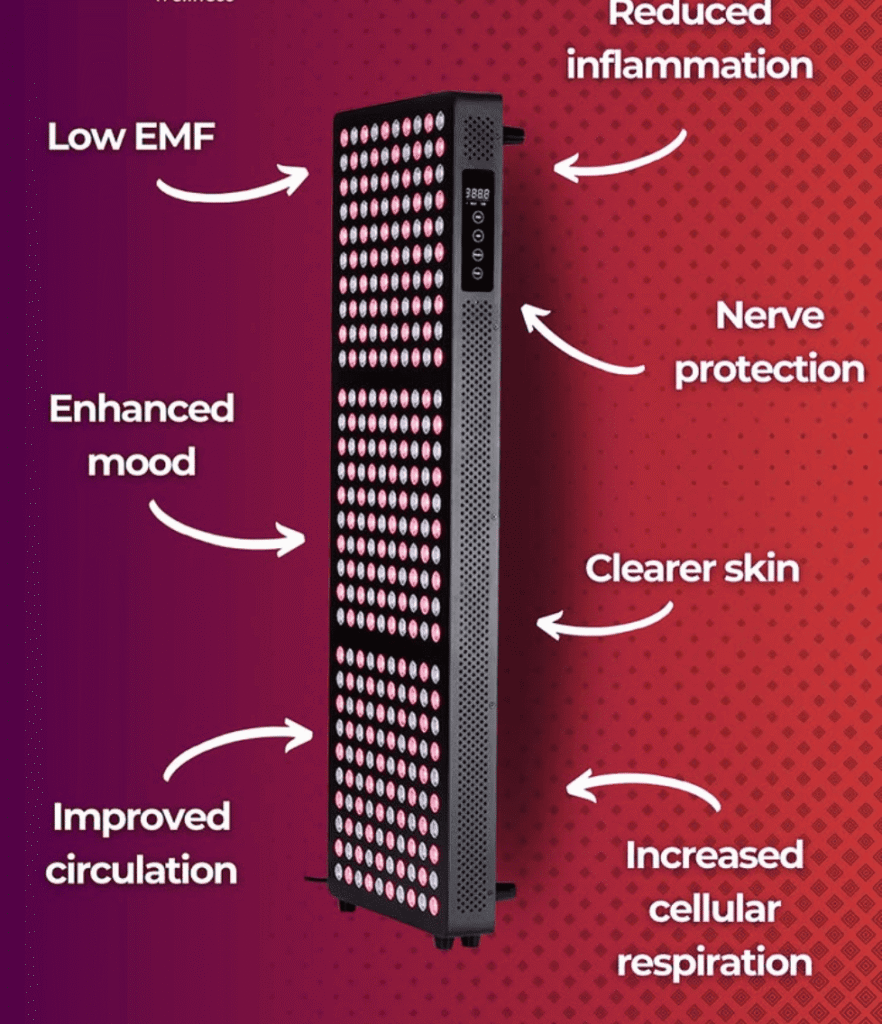
Light is not just “red or not red.” It is defined by nanometer-specific wavelength ranges.
- Red light: ~620–700 nm
- Near-infrared: ~700–900+ nm
These ranges are carefully selected because they penetrate tissue and interact with mitochondrial chromophores.
In contrast, most household red lights simply appear red but do not emit controlled wavelengths. This is a core difference in red light therapy devices vs regular red light performance.
Without precise wavelength control, biological targeting becomes unreliable or ineffective.
Why Not All Red Lights Deliver the Same Results
A major misunderstanding in the market is that brightness equals effectiveness. In reality, red light therapy devices vs regular red light differ in multiple engineering dimensions.
1. Wavelength Precision Is Engineered, Not Filtered
Regular bulbs often produce broad-spectrum light that is filtered to appear red. This does not guarantee therapeutic wavelength peaks.
Professional devices use LEDs engineered at specific nanometer outputs, ensuring consistency and repeatability.
This is one of the most important differences in red light therapy devices vs regular red light.
2. Intensity Determines Biological Dose
Even correct wavelength light is ineffective without sufficient irradiance.
Generic red lamps often:
- Emit very low power density
- Require impractically long exposure times
- Lack measurable output standards
Professional panels, however, are designed to deliver controlled energy doses, making red light therapy devices vs regular red light significantly different in real-world effectiveness.
3. Flicker and Electrical Stability
Many low-cost lights operate with unstable current, producing invisible flicker.
This can:
- Reduce effective energy delivery
- Cause discomfort in sensitive users
- Affect consistency of exposure
High-quality systems minimize flicker using stable drivers, reinforcing the gap between red light therapy devices vs regular red light.
4. Coverage Area and Light Distribution
Small bulbs create uneven exposure with strong hotspots and weak surrounding areas.
Professional panels use LED arrays to ensure:
- Even surface coverage
- Full-body treatment capability
- Consistent dosing across tissues
This spatial difference further defines red light therapy devices vs regular red light.
Real-World Comparison Example
Consider two users:
- One uses a basic red lamp at home
- Another uses a calibrated therapeutic panel
Even with identical session time, outcomes differ dramatically.
The first user experiences inconsistent exposure and weak energy delivery, while the second receives optimized wavelength and intensity control.
This example clearly demonstrates why red light therapy devices vs regular red light cannot be treated as equivalent.
Technical Evaluation Checklist
When evaluating systems, especially for OEM or professional use, consider:
- Wavelength accuracy (nm range stability)
- Irradiance levels (mW/cm²)
- Coverage uniformity
- Flicker control quality
- Thermal management system
- Safety certifications and documentation
These factors define whether a product is truly a therapeutic device or simply a decorative light, reinforcing the importance of red light therapy devices vs regular red light evaluation.
How to Choose a Reliable Manufacturer
When sourcing devices, especially for wellness brands or clinics, evaluate:
- Proven manufacturing experience
- Transparent technical specifications
- Clinical or research references
- Consistent product performance across batches
- Clear usage guidelines and safety documentation
A trustworthy supplier will clearly differentiate between red light therapy devices vs regular red light, without marketing ambiguity.

WINJOY
Professional Light Therapy Device Manufacturer
OEM/ODM Perspective for Wellness Brands
For brands entering the PBM market, engineering consistency is critical.
Professional manufacturing partners should offer:
- Custom wavelength configurations
- Stable irradiance output systems
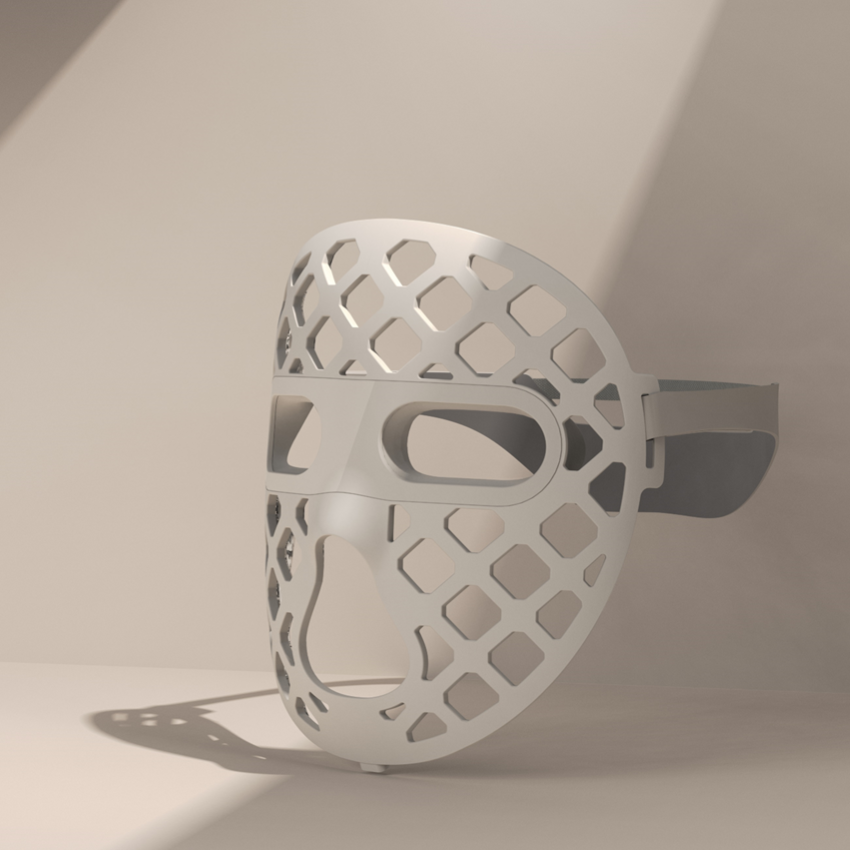
- Flexible product design (panel, mask, modular systems)
- Regulatory-aligned documentation support
This is especially important when positioning products in the red light therapy devices vs regular red light category for global markets.
Safe Usage Guidelines for Users
While protocols vary, general best practices include:
- Start with shorter exposure times
- Maintain consistent distance from device
- Avoid overexposure to sensitive areas
- Use regularly for cumulative effects
- Follow manufacturer recommendations carefully
These guidelines help users better experience the intended benefits of red light therapy devices vs regular red light systems.
Industry Trends and Applications
Red light therapy is expanding rapidly into:
- Home wellness routines
- Sports recovery environments
- Spa and clinic treatments
- Biohacking and performance optimization setups
As adoption grows, understanding red light therapy devices vs regular red light becomes essential for both consumers and brands.
UX and Product Design Considerations
High-quality devices are not just about light output—they also focus on user experience:
- Simple control interfaces
- Clear timing and mode settings
- Ergonomic positioning design
- Educational usage guidance
Good UX ensures users actually follow protocols, maximizing the difference between red light therapy devices vs regular red light systems.
Conclusion: Why Device Quality Defines Results
At the core, red light therapy devices vs regular red light is not a marketing debate—it is a physics and biology issue.
Only devices engineered with precise wavelength control, sufficient irradiance, stable output, and proper coverage can deliver consistent photobiomodulation effects.
For users, clinics, and brands alike, choosing the right system determines whether results are meaningful or negligible.
Frequently Asked Questions
1. Can an ordinary red light bulb provide the same benefits as a red light therapy panel?
Generally, it cannot. While both may emit red-colored light, standard household bulbs are not engineered for photobiomodulation. They typically lack the precise wavelengths, sufficient irradiance, and broad treatment coverage that dedicated red light therapy panels are designed to deliver.
2. Is home-based red light therapy considered safe?
When used as directed, red light therapy is widely regarded as a non-invasive and low-risk wellness technology. To ensure safe use, always follow the manufacturer’s recommendations and seek advice from a healthcare professional if you have a medical condition, are pregnant, or take medications that increase light sensitivity.
3. When can users expect to notice results from red light therapy?
The timeframe varies from person to person. Some individuals report visible or noticeable improvements after several weeks of regular use, while others experience more gradual changes. Factors such as treatment consistency, device quality, exposure parameters, and individual response can all influence outcomes.
4. Which features are most important when selecting a red light therapy device for commercial use?
Businesses should prioritize devices that offer verified wavelength specifications, documented irradiance measurements, low-flicker performance, durable construction, and transparent technical data. Partnering with an experienced OEM/ODM manufacturer can also provide valuable customization options and ongoing technical support.
5. Is near-infrared light necessary, or can red light alone be effective?
Both red light and near-infrared (NIR) light play important roles in photobiomodulation. Red light is commonly used for surface-level applications, while NIR wavelengths are often chosen for deeper tissue penetration. The most suitable configuration depends on the intended application, which is why many advanced red light therapy systems incorporate both wavelengths.
References
1. Mito Red Light. “Why Can’t I Just Use Any Red Light Source for Red Light Therapy?” (accessed 2026). <https://mitoredlight.com/blogs/mito-red-blog/why-can-t-i-just-use-any-red-light-source-for-red-light-therapy> [lipglossandaftershave]
2. Healthcare Success. “Mastering Google E-A-T for Healthcare Content.” (2021). <https://healthcaresuccess.com/blog/healthcare-marketing/google-e-a-t-and-healthcare-content-how-to-deliver-the-quality-google-de>
3. EOS Healthcare Marketing. “Experience in SEO for Medical Websites | E-E-A-T Guide.” (2025). <https://eoshealthcaremarketing.com/experience-in-seo-applying-e-e-a-t-principles-for-medical-websites/> [eoshealthcaremarketing]
4. SEO Mafia Club. “Medical Content SEO and E-E-A-T Best Practices.” (2026). <https://seomafiaclub.com/blog/guides/medical-content-seo-and-e-e-a-t-best-practices/>
5. Kuno Creative. “Digital Marketing for a Medical Device Company.” (2024). <https://www.kunocreative.com/blog/medical-device-company-digital-marketing-right>
6. Lipgloss + Aftershave. “Tips to Marketing Light Therapy.” (2025). <https://lipglossandaftershave.com/tips-to-marketing-light-therapy/>
7. Orbit Media Studios. “How to Update Old Posts for SEO.” (2024). <https://www.orbitmedia.com/blog/update-old-blog-posts/>
8. Boomcycle. “SEO for Medical Device Companies.” (2025). <https://boomcycle.com/blog/seo-for-medical-device-companies/>